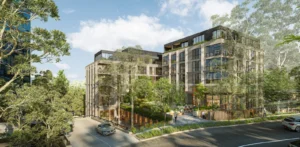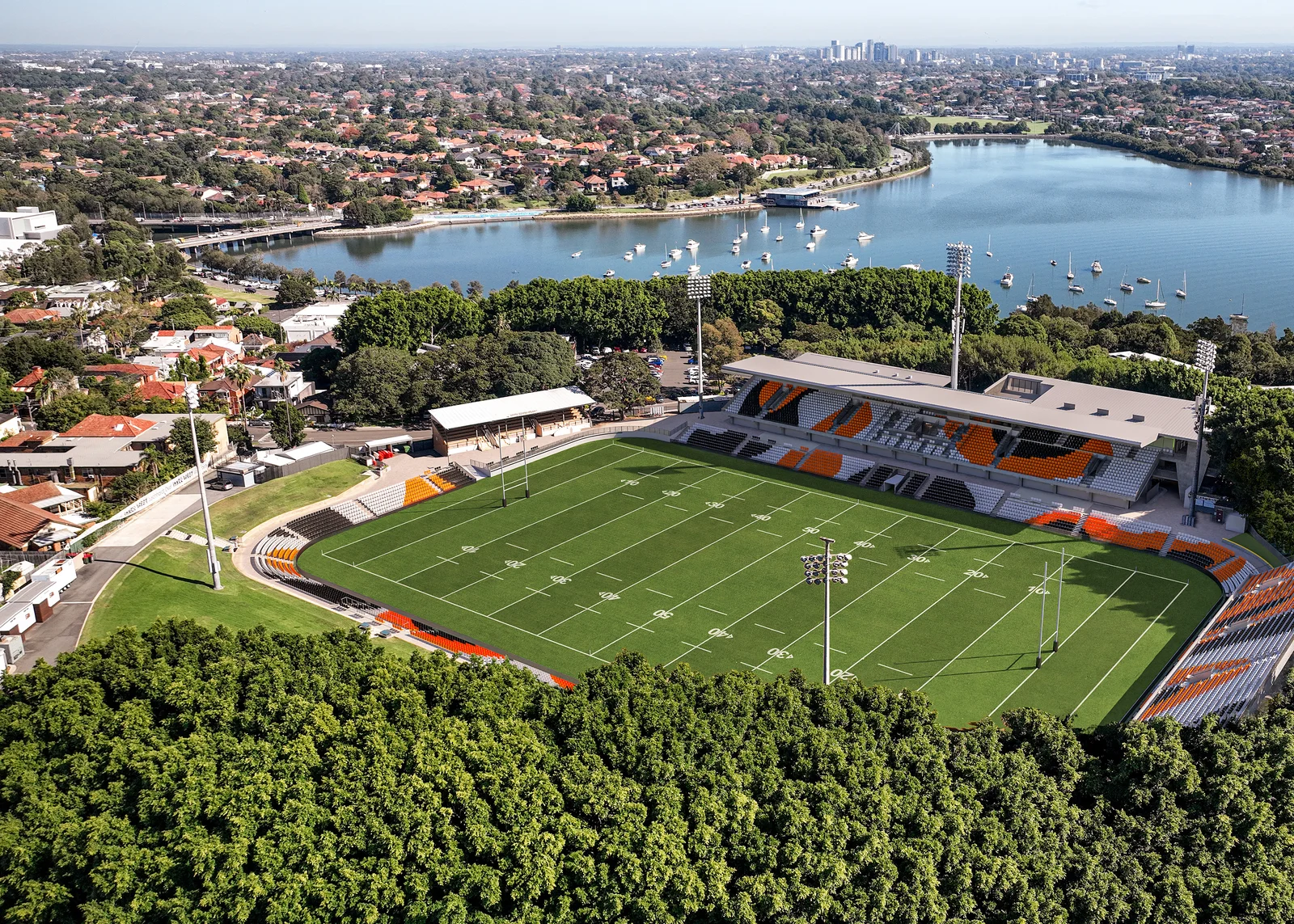
Leichhardt Oval, one of Sydney’s most iconic suburban stadiums, is the subject of a new State Significant Development Application now on public exhibition. Led by Inner West Council, the proposal seeks to refurbish key facilities and construct a new northern grandstand. The upgrade is designed to modernise the venue while retaining its distinctive character, with a focus on improving accessibility, compliance and spectator amenity — all without increasing the current 19,000-person capacity.
Grandstand Overhaul and Accessibility
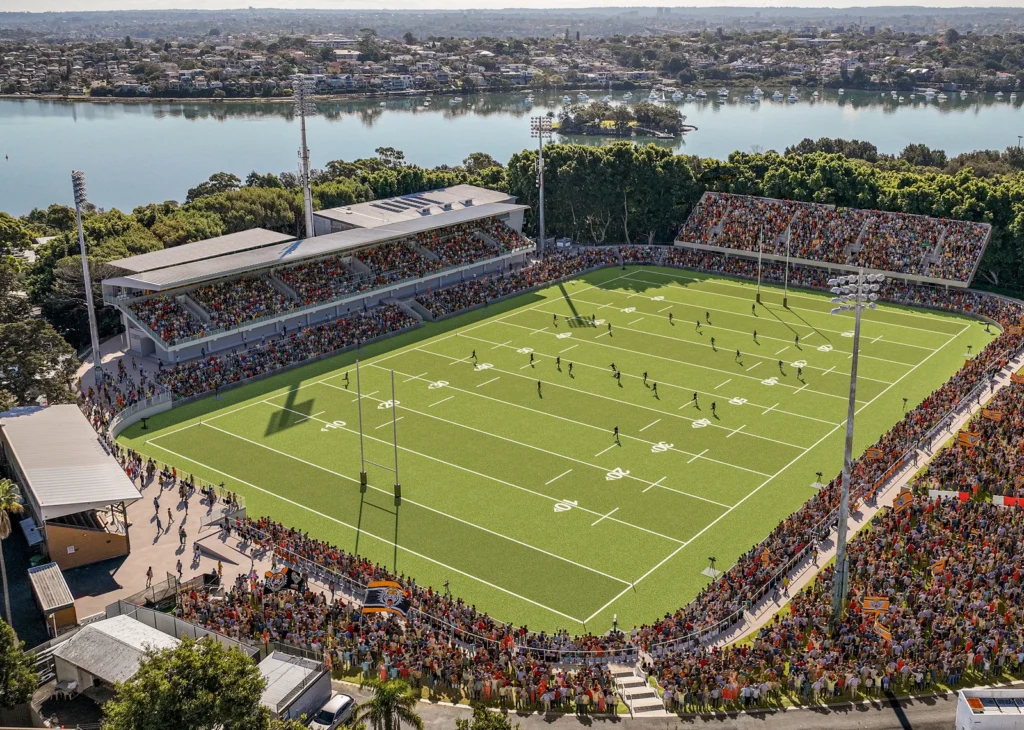
The application covers the main Leichhardt Oval site at 68 Mary Street, Lilyfield. Planned works include upgrades to the existing Western Grandstand, with demolition and rebuilding of amenities, new player and official facilities, and expanded corporate and broadcasting areas. A new northern grandstand will add seating and amenities. The lower bowl will see seating replaced to improve wheelchair access. Thirteen trees are slated for removal to accommodate the northern stand, with 11 replacements proposed. The overall spectator capacity remains unchanged. Details on site area, building height, gross floor area, and construction method are not included in the exhibition material.
Master Plan Delivers in Stages
Inner West Council adopted the Leichhardt Oval Master Plan in 2023, setting a 10-year vision shaped by community and stakeholder input. The current proposal delivers only part of that vision, reflecting the level of funding secured from federal, state, and local governments. Previous engagement highlighted priorities such as improved access, retention of Wayne Pearce Hill, tree preservation, and upgraded amenities, especially for women. The Secretary’s Environmental Assessment Requirements (SEARs) for this application were issued on 23 June 2025, and the current Environmental Impact Statement addresses those requirements.
Heritage Trees and Park Character
Leichhardt Oval sits within Leichhardt Park, a site of local heritage significance, and is near State-listed heritage items such as Callan Park. Four mature fig trees at the Mary Street entry are heritage-listed. The proposal involves removing 13 trees—mostly Hill’s Weeping Figs planted in the 1980s and 1990s—to make way for the northern grandstand, but none of the heritage-listed figs are affected. Arborists highlight the significance of the existing canopy, while heritage consultants find no direct impact on the heritage figs. The broader effect on the park’s character and tree canopy remains a focus.
Upgrades Target Modern Standards
The current stadium falls short of modern accessibility standards, particularly in the seating bowl and amenities. The proposal addresses these gaps with new wheelchair-accessible viewing areas, gender-neutral change rooms, and improved wayfinding. Accessibility consultants back these compliance upgrades. The effectiveness of these interventions, especially within a heritage context, will attract close scrutiny.
Traffic and Parking Pressures
Leichhardt Oval’s location in a dense residential area and open space precinct means traffic and parking are ongoing concerns. Traffic assessments find no increase in traffic generation, as spectator capacity remains unchanged. No changes are proposed to the public car park or street parking. The site’s proximity to light rail and bus routes is emphasised, but questions remain about event-day transport and pedestrian flows for local residents and agencies.
Balancing New Construction and Green Space
The removal of 13 trees for the northern grandstand is presented as necessary for the project’s objectives, with 11 replacement plantings proposed. The design aims to integrate the remaining mature figs into the spectator experience. The balance between new construction and preservation of the oval’s leafy setting will be closely watched.
Community and Economic Benefits
Proponents argue that the refurbishment will reinforce Leichhardt Oval’s role as a cultural and economic asset, supporting both elite and community sport and generating activity for local businesses. Social impact consultants find no major negative impacts and point to improved inclusivity and amenity. The extent to which these benefits are realised, given the partial delivery of the Master Plan, will depend on the final scheme and any conditions imposed.
Project Team
- Developer: Inner West Council
- Planning: Planning & Co
- Architecture: Cox Architecture
- Arboriculture: Earthscape Horticultural Services
- Accessibility: Accessibility Solutions
- Traffic: Traffix
- Heritage: Artefact
- Social Impact: Astrolabe Group
- ESD: Aspire Sustainability Consulting
- Waste: Elephants Foot Consulting
- Engineering: TTW, Douglas Partners
The application is now on public exhibition, with submissions invited. Further assessment, agency referrals, and a determination by the Department of Planning, Housing and Infrastructure will follow.
For more information, search the application number (SSD-85149458) on the Department of Planning, Housing and Infrastructure’s website.