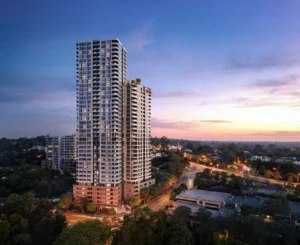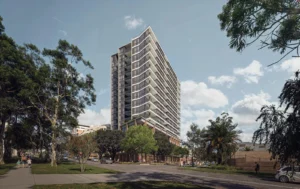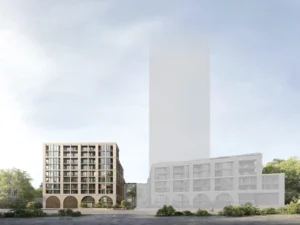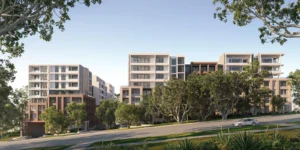
The NSW Housing Delivery Authority (HDA) has recommended eight new residential projects for declaration as State Significant Development (SSD). These recommendations followed the Authority’s formal briefing held on 15 April 2025.
The newly supported projects are located in Castle Hill, Ryde, Burwood, Silverwater, Concord, Bankstown and Wollongong. Combined, they could deliver more than 2,400 new dwellings across the state.
These additions bring the number of SSD-declared housing proposals in New South Wales to 86, accounting for over 34,500 potential homes. The SSD pathway is a key part of the NSW Government housing strategy, designed to support fast-tracked assessment of major residential developments in priority locations.
Outcomes of the April Briefing
The HDA reviewed 20 new expressions of interest (EOIs). The results were:
- 8 projects recommended for SSD declaration
- 11 projects not progressed
- 1 project deferred for further review
These decisions reflect the state’s continuing focus on housing supply targets, with a particular emphasis on urban infill development in well-located and infrastructure-ready areas.
Overview of Recommended Projects
The eight recommended proposals vary in size and typology. All met the HDA’s State Significant Development Criteria, which assess factors including location, delivery timeframe, residential density, and alignment with the NSW Housing Accord.
The selected projects are:
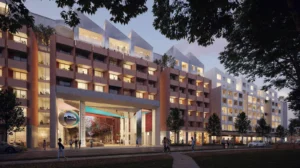
- Castle Hill (Terminus Street): 158 apartments with ground floor mixed uses
- Ryde (Victoria Road): 110 apartments above commercial space
- Burwood: Up to 500 new dwellings with a public plaza and commercial floor space
- Silverwater: 215 apartments in a shop-top configuration
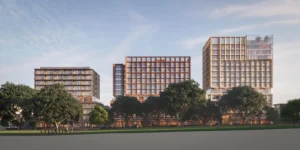
- Concord: 387 apartments in three residential flat buildings
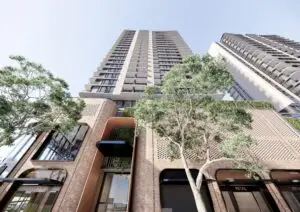
- Castle Hill (Old Northern Road): 162 dwellings in a 25-storey mixed-use tower
- Bankstown: 210 apartments with ground floor retail and 3% affordable housing
- Wollongong: 550 apartments across three towers, including affordable homes
These proposals represent a targeted uplift in residential density across priority growth areas while also contributing to affordable housing delivery.
A Pathway to Strategic Growth
The SSD declaration process enables the Minister for Planning to assess large-scale housing proposals through a centralised planning approvals process. These projects must align with the broader goals of the Department of Planning, Housing and Infrastructure (DPHI) and demonstrate their ability to deliver timely, high-yield outcomes.
Although SSD status streamlines assessment, all projects still undergo a full merit-based planning process, including public consultation and refinement through an Environmental Impact Statement.
One proposal — a mixed-use precinct at Christie Street, St Leonards — was deferred pending clarification of its commercial components. Eleven proposals were not recommended due to constraints such as zoning complexity, infrastructure limitations, or underperformance against SSD criteria.
Supporting Coordinated Housing Delivery
The HDA’s recommendations are made under section 4.36(3) of the Environmental Planning and Assessment Act 1979. These public decisions support transparency and coordination across local government, state agencies, and private developers.
Proposals not advanced under the SSD process may still progress through alternate mechanisms such as the Housing SEPP or local development applications.
The eight new SSD recommendations add to a growing list of projects that support the state’s housing objectives. They also demonstrate the government’s intent to accelerate well-located supply and unlock capacity in strategic centres.
Tracking progress across the State
Following the meeting, Urban Digest updated its interactive SSD housing map. The map now tracks 181 residential proposals considered by the HDA — up from 162 — offering a comprehensive view of housing pipeline tracking across metropolitan and regional New South Wales.
The map allows users to explore project status, location, dwelling yield and declaration outcomes. It supports planners, councils, and the development industry in visualising how the NSW Government is enabling coordinated housing growth.